The evolution of gambling A journey through time and culture
Ancient Beginnings: The Roots of Gambling
The origins of gambling trace back thousands of years, deeply embedded in the fabric of human civilization. Archaeological evidence indicates that ancient Chinese, Greek, and Roman societies engaged in games of chance, often using rudimentary tools such as dice made from animal bones. These early forms of gambling served not just as entertainment but also as a method for decision-making, showcasing humanity’s intrinsic desire to take risks and seek fortune. Today, players can explore more contemporary options at places like https://oreelscasino-uk.com, where the excitement of traditional games meets modern technology.
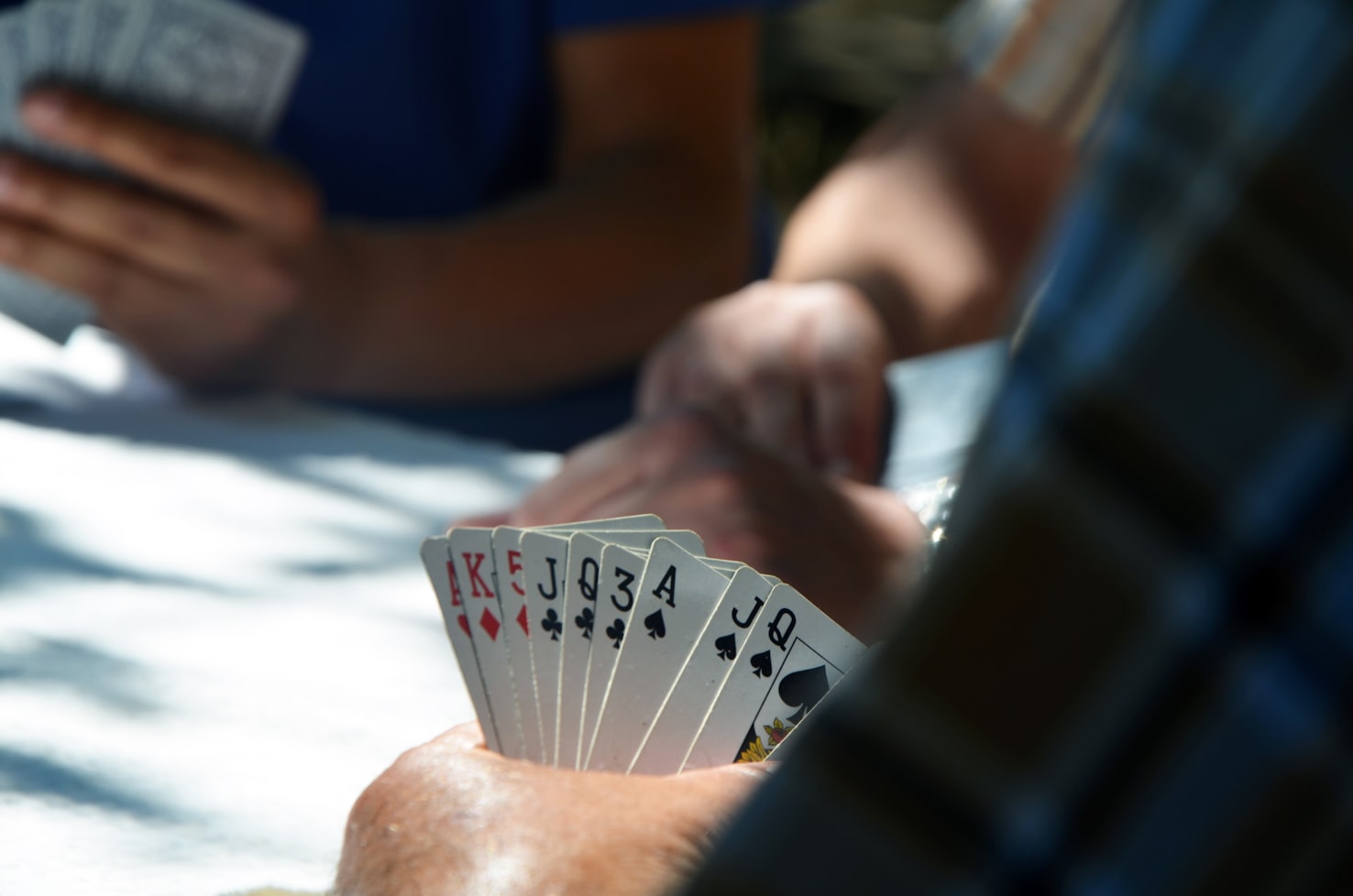
In ancient China, as early as 2300 BC, people played games involving chance that laid the groundwork for modern gambling. The game of Keno is believed to have originated in this era, exemplifying how early civilizations utilized games of chance for various purposes, including funding public works. Similarly, the Romans developed gambling not only as a pastime but also integrated it into their cultural and social practices, hosting events where bets could be placed on gladiatorial combats.
The cultural acceptance of gambling during these ancient times reveals much about societal values. While some civilizations celebrated it as a thrilling pastime, others viewed it with skepticism or disapproval, often linking it to moral decay. This dichotomy illustrates how gambling was not just a simple activity, but a complex aspect of cultural identity and societal norms, establishing a foundation that would evolve through the ages.
The Middle Ages: Regulation and Perception
The Middle Ages marked a significant shift in the landscape of gambling, as various cultures began to impose regulations on gaming activities. While some regions embraced gambling as a source of revenue, others, particularly in Europe, saw it as a vice. This period was characterized by the emergence of games such as cards, which gained popularity across the continent and introduced new dynamics to the gambling scene.
In England, the first documented mention of gambling on cards dates back to the 15th century, coinciding with the establishment of gambling houses and the first lotteries. The Church played a pivotal role during this time, often condemning gambling as sinful, which led to fluctuating attitudes toward gaming. This tension between regulation and acceptance shaped the evolution of gambling, demonstrating how societal beliefs could influence the legality and popularity of these activities.
The emergence of these games also fostered social interactions among various classes, leading to a unique blend of competition and camaraderie. Wealthy patrons would often host lavish card games, while common folk engaged in simpler forms of betting. This period not only laid the groundwork for modern card games but also emphasized gambling’s role as a social catalyst, reinforcing its significance in communal and cultural contexts.
The Renaissance and Expansion: A Global Perspective
The Renaissance heralded a renewed interest in arts and sciences, paralleling the evolution of gambling into more structured and widespread forms. With increased trade and exploration, gambling transcended borders and became a global phenomenon. The introduction of new games from different cultures, such as the Italian game of Biribi, showcased how gambling evolved into a dynamic, multicultural activity that appealed to a diverse range of participants.
During this period, the first commercial casinos began to appear in Italy, establishing a blueprint for future gaming establishments. The rise of these venues not only formalized gambling but also introduced a new level of sophistication and excitement to the experience. By the 17th century, gambling houses flourished in cities like Venice, where a sense of luxury and exclusivity became intertwined with the act of wagering.
This era also saw the development of roulette and other table games, which emphasized chance and skill in equal measure. The social implications of these games were profound, as they attracted a mix of social classes and challenged existing hierarchies. The concept of gambling as a leisure activity became increasingly accepted, gradually transforming perceptions and laying the groundwork for the modern gaming landscape.
The Modern Era: Technology and Online Gaming
The 20th century ushered in a technological revolution, profoundly impacting the world of gambling. The advent of television, the internet, and mobile technology transformed how individuals engage with games of chance. The legalization of casinos in various regions, particularly in the United States with the establishment of Las Vegas, marked a turning point in public perception. Gambling became synonymous with entertainment and glamour, attracting millions to luxurious resorts.
Online gambling emerged in the late 1990s, revolutionizing access to gaming for millions around the world. The ability to place bets from the comfort of one’s home reshaped the gambling landscape, leading to the rise of online casinos and platforms that offer a vast range of games. This shift not only expanded the audience but also sparked discussions about responsible gaming practices and regulations to ensure player safety.
Mobile gaming has further accelerated this evolution, enabling players to access their favorite games anywhere at any time. As technology continues to advance, the gambling industry is likely to explore innovative experiences, such as virtual reality casinos and blockchain-based gaming, which promise to reshape the future of this age-old activity. The ongoing evolution underscores the adaptability of gambling within contemporary society, reflecting changing attitudes and technological progress.

OReels Casino: A Modern Gaming Experience
As the evolution of gambling continues to unfold, OReels Casino stands as a premier example of how modern platforms cater to a diverse audience. Offering an extensive collection of over 2,000 slots and live dealer games, OReels Casino brings the excitement of a traditional casino experience directly to players in the UK. Fully licensed by the UK Gambling Commission, it ensures a secure environment for everyone who joins.
New players are welcomed with enticing bonuses, such as a generous £25 welcome bonus and a 100% match on their first deposit, making it easier to explore a wide variety of games. The user-friendly mobile app further enhances convenience, allowing players to enjoy their favorite games on the go. Fast payouts and a commitment to responsible gaming practices reinforce OReels Casino’s dedication to providing a satisfying and secure gaming experience.
With a focus on innovation and player satisfaction, OReels Casino exemplifies how the legacy of gambling has transformed into a modern, accessible form of entertainment. As you embark on your own gaming journey, consider the rich history behind it and how platforms like OReels continue to evolve and adapt, ensuring that the spirit of gambling remains alive and exciting for generations to come.